The Birth of Anyplace — Proof of Concept
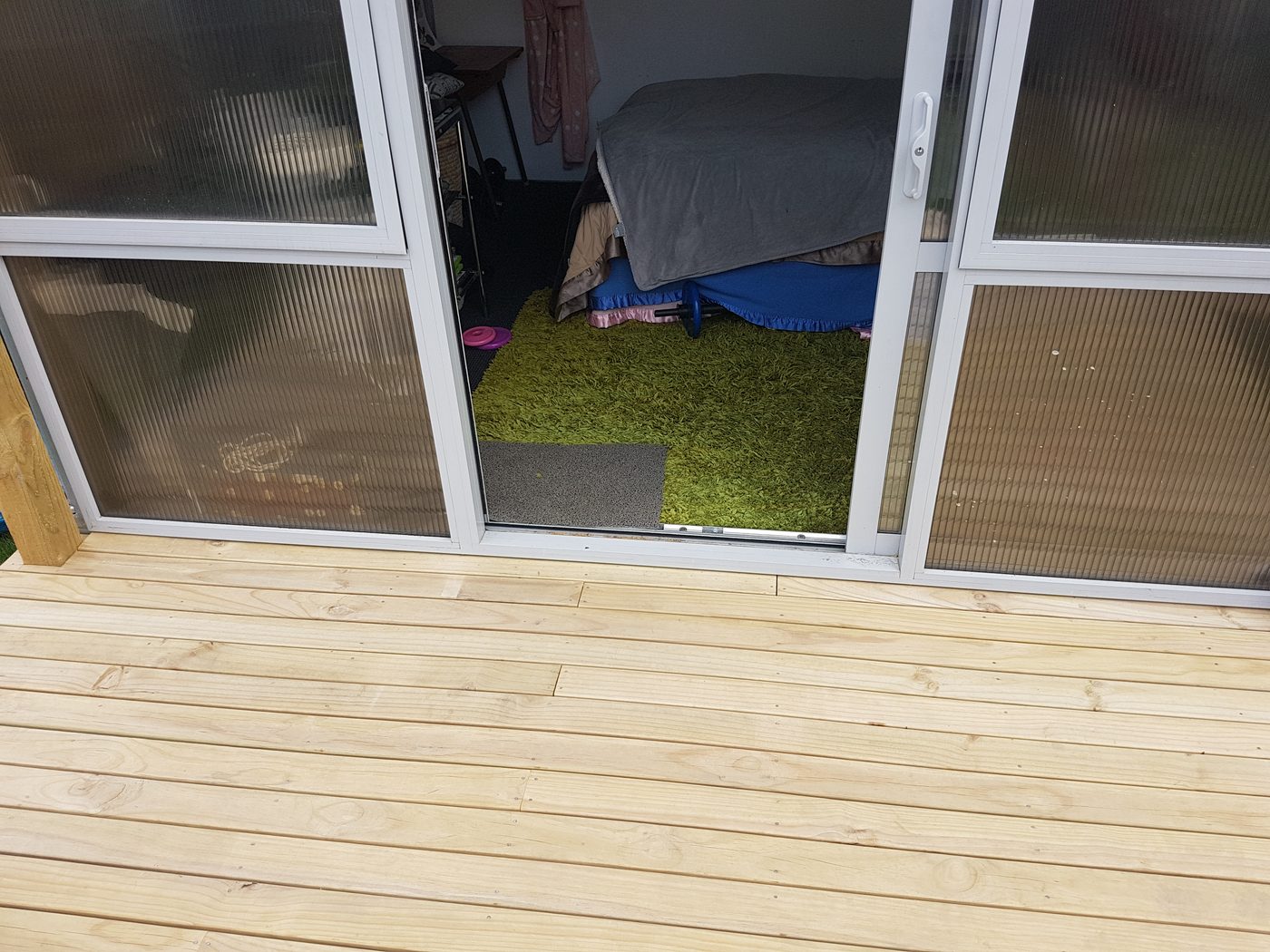
The first scaled Anyplace module, installed on site. The day the patent became a building.
After years of grinding through research, testing, and tough choices, we rolled up our sleeves and installed our first scaled module onsite. This wasn't just a prototype—it was the culmination of an insane amount of work, a deep dive into every detail that would define the Anyplace modular system.
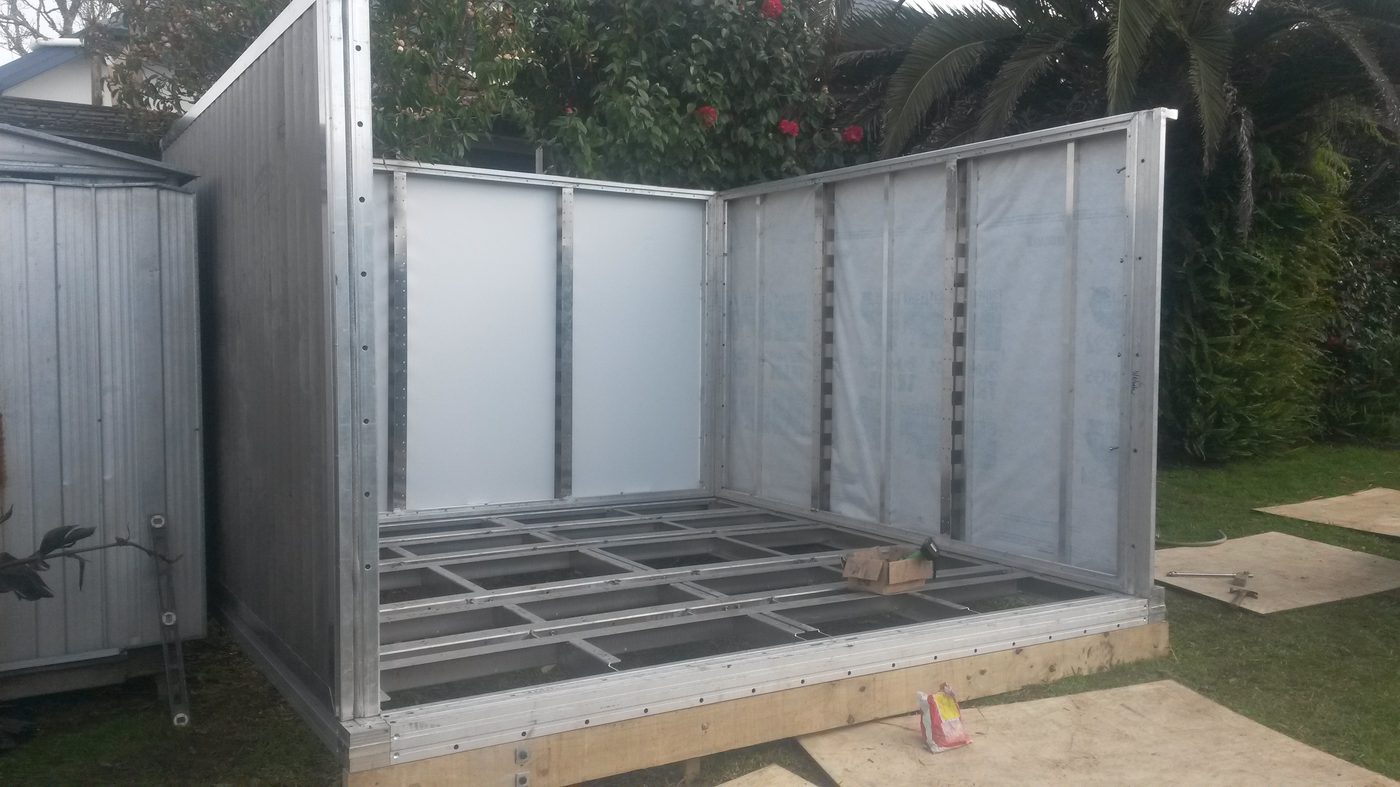
We'd spent countless hours picking apart materials and methods. Low-carbon aluminum emerged as our hero—lightweight, recyclable, and tough enough to handle what we'd throw at it. But getting there meant wrestling with everything: welding techniques, extrusion quirks, machining precision, structural integrity, weathertightness, and how to integrate materials without losing the plot.
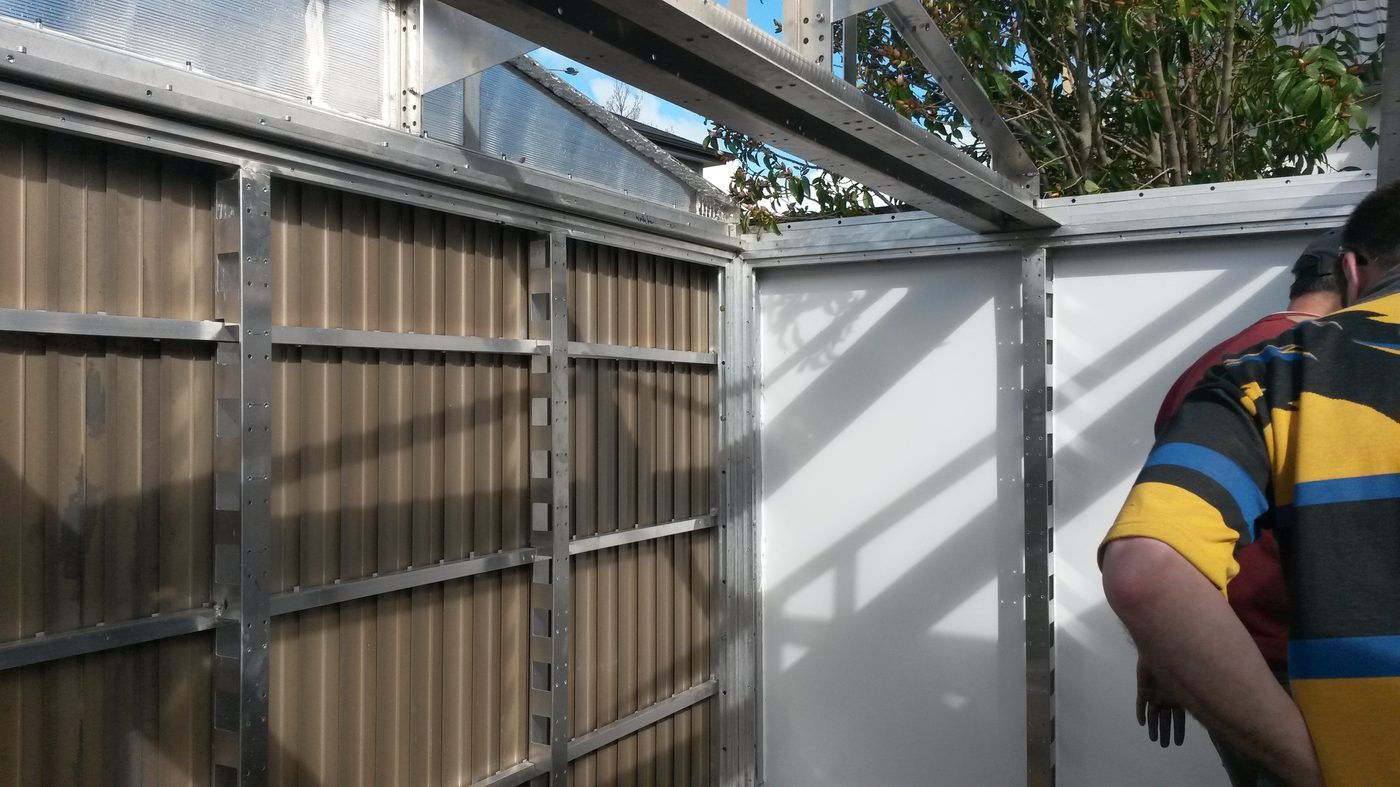
Then came the real head-scratchers: assembly pitfalls, modularity challenges, and making sure it could all survive transport. Each question answered sparked ten more, and every solution had to prove itself onsite.
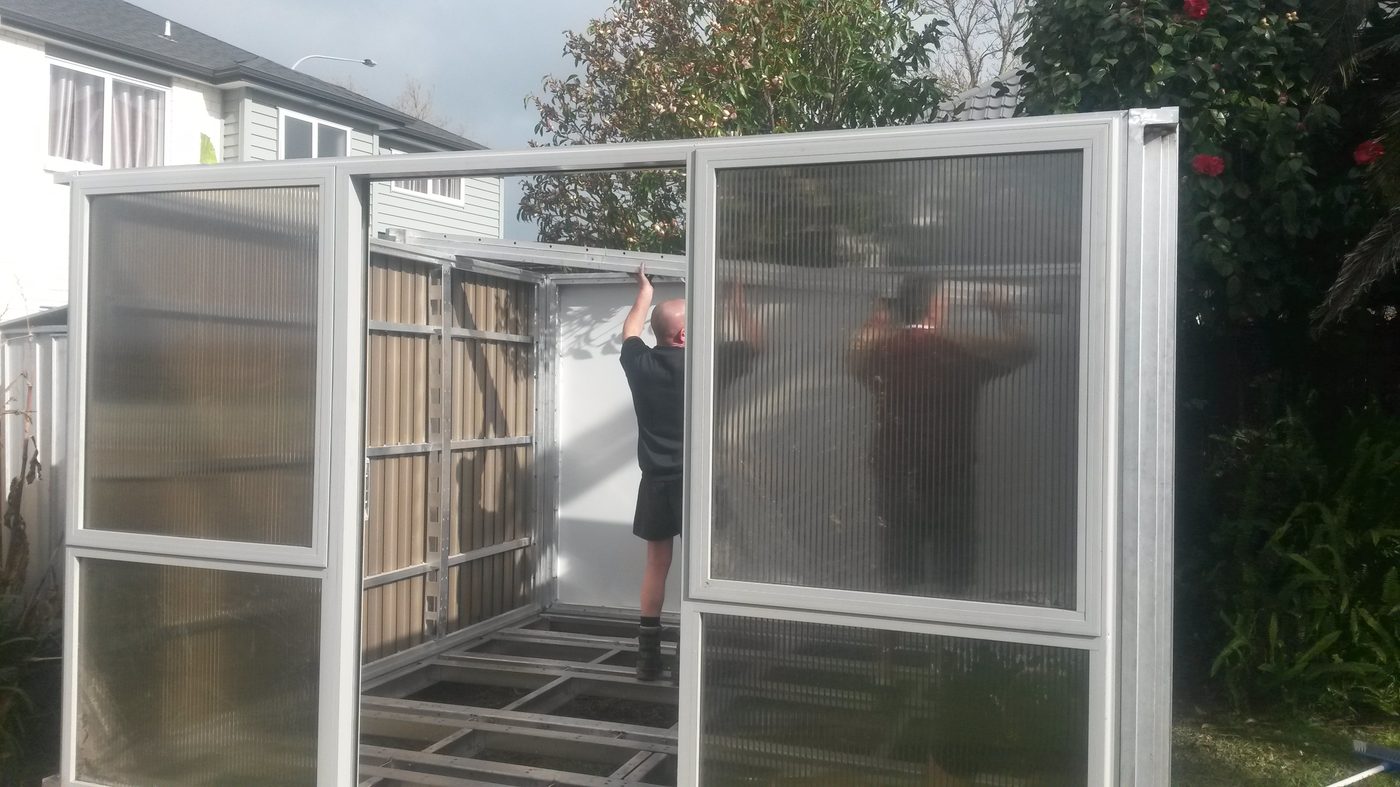
You could call this moment the birthplace of the Anyplace modular movement—a scrappy, aluminum-clad proof that we were onto something big. It wasn't perfect, but it was ours: a tangible step toward homes that adapt, endure, and leave the planet better off.
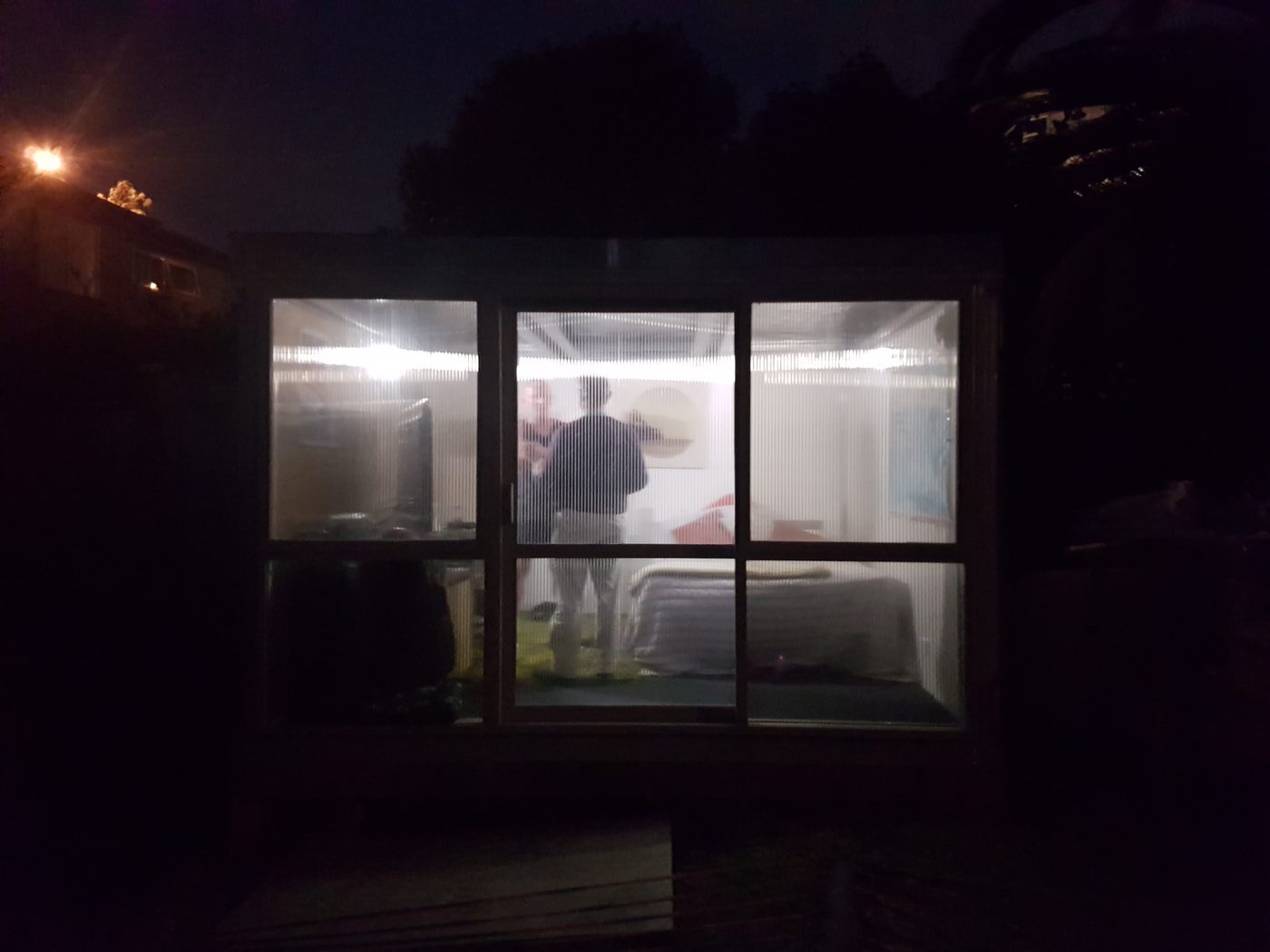
Looking back, it's wild how much we didn't know we needed to know. Research filled binders, but the real lessons came from doing—hands dirty, module up, and eyes on the future. And even then, we were just getting started.
From this proof-of-concept came the realization that scaled production couldn't be done one workshop at a time. The path forward was decentralized industrialization — distributed manufacturing on existing aluminum extrusion infrastructure, not a single bespoke factory. That insight became the Hydro North America Technical and Economic Discovery Agreement, signed February 2026. The 2016 unit was the seed. The Hydro agreement is the tree.
The learning never stops when you're building something that matters.